Doctor’s Tip: The peptide craze, an unproven wellness fad - PostIndependent.com
High confidence: full text extraction produced 4805 characters.
Doctor’s Tip: The peptide craze, an unproven wellness fad
Doctor's Tip
You hear a lot these days about protein and peptides. A previous column addressed protein; today’s is about peptides, based on an article in the current Wellness Letter, published monthly by the UC Berkeley School of Public Health. The first sentence is: “This unproven wellness fad could soon be easier to access, but availability doesn’t equal safety or effectiveness.”
Like proteins, peptides are composed of amino acid chains, but the chains are shorter. Our bodies produce thousands of peptides that “act as metabolic signaling agents. Some help control hormone production; others regulate immune function and cell growth.” Insulin is a natural peptide, as are the GLP-1 drugs used to treat obesity and diabetes.
Synthetic peptides, given by self-injection, are being promoted by wellness and bodybuilding influencers on the internet. Influencers are biased because they often sell products, and they usually lack the credentials necessary to give evidence-based health advice. Synthetic peptides are being promoted to “enhance … metabolism, muscle growth and recovery, athletic performance, and immune function, as well as slow aging and speed healing from injuries.”
Like other FDA-approved drugs, insulin and GLP-1 peptides went through rigorous human studies that proved effectiveness and safety before they were approved by the FDA — back when the FDA could be trusted. In 2023, citing safety concerns and a lack of evidence of effectiveness, these new peptides were classified by the FDA as Category 2, which prohibited compounding pharmacies from producing them.
Our current health secretary, RFK Jr., was an environmental attorney with no background in health or science. In addition to being an anti-vaccine activist, he has promoted unproven stem cell treatments and high-dose vitamin A for measles. He is now on the peptide bandwagon, stating that he had a favorable experience with a synthetic peptide himself in the past — not a good reason to recommend peptides to the public.
In April of this year, without any new evidence, he directed his handpicked FDA to move peptides from Category 2 to Category 1, which would allow compounding pharmacies to produce and sell them. Kennedy also formed a new committee under the FDA called the Pharmacy Compounding Advisory Committee, which includes several members with serious conflicts of interest. In July, the committee voted in favor of allowing production of six experimental synthetic peptides to treat ulcerative colitis, insomnia, inflammation, obesity and insulin resistance, migraines, and wound healing.
Some synthetic peptides can be purchased on the internet. Many come from questionable suppliers overseas. Some were not designed for human use, some may not contain what the label says they contain, and some might have toxic contaminants. GLP-1 peptides can cause gastrointestinal side effects and, rarely, pancreatitis. Side effects of synthetic peptides remain unknown because they haven’t been studied. One concern is that synthetic peptides promote angiogenesis — the formation of new blood vessels — which is good for wound healing but could promote the formation or spread of cancer cells.
The ECRI Institute is an independent nonprofit health care research organization that, along with the Institute for Safe Medication Practices, released a paper “expressing the ‘alarming safety concern’ of wellness companies promoting and selling peptides without clinical evidence to support their safety or effectiveness.”
Synthetic peptides may turn out to be useful for wound healing and perhaps other conditions, but valid human studies need to be done before they are approved. And as citizens, we have a right to expect that recommendations made by the Department of Health and Human Services are based on solid science and that none of its employees have financial conflicts of interest.
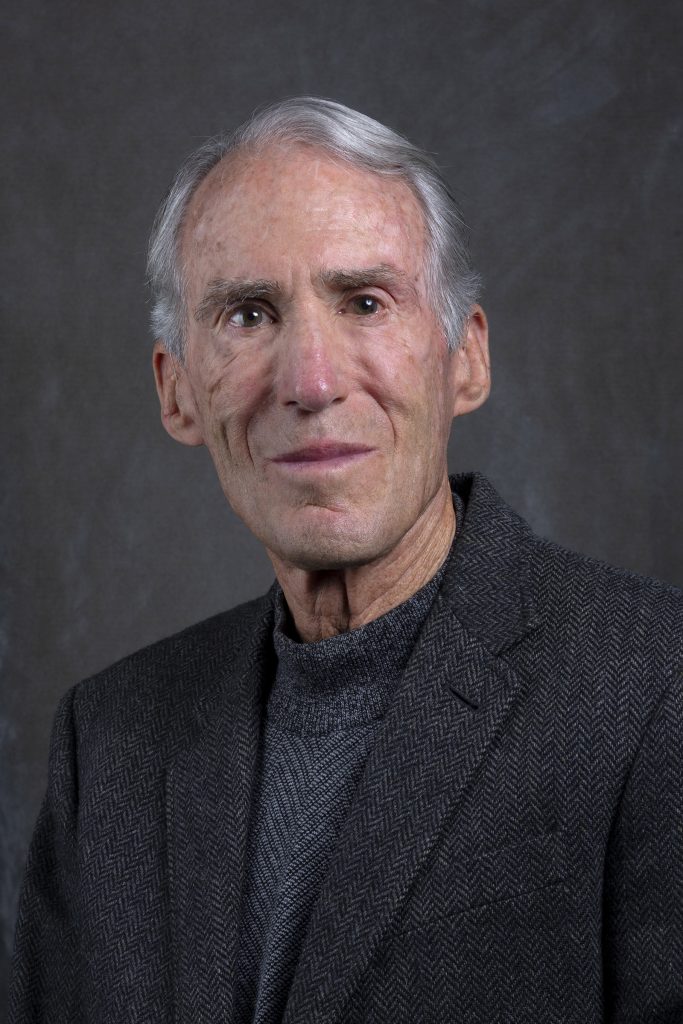
Dr. Greg Feinsinger is a retired family physician with a special interest in prevention, treatment, and reversal of chronic disease through nutrition. He is available for free nutritional counseling and shop-with-a-doc grocery store tours. He can be contacted at 970-379-5718 or gfmd41@gmail.com.
Support Local Journalism
Support Local Journalism
Readers around Glenwood Springs and Garfield County make the Post Independent’s work possible. Your financial contribution supports our efforts to deliver quality, locally relevant journalism.
Now more than ever, your support is critical to help us keep our community informed about the evolving coronavirus pandemic and the impact it is having locally. Every contribution, however large or small, will make a difference.
Each donation will be used exclusively for the development and creation of increased news coverage.